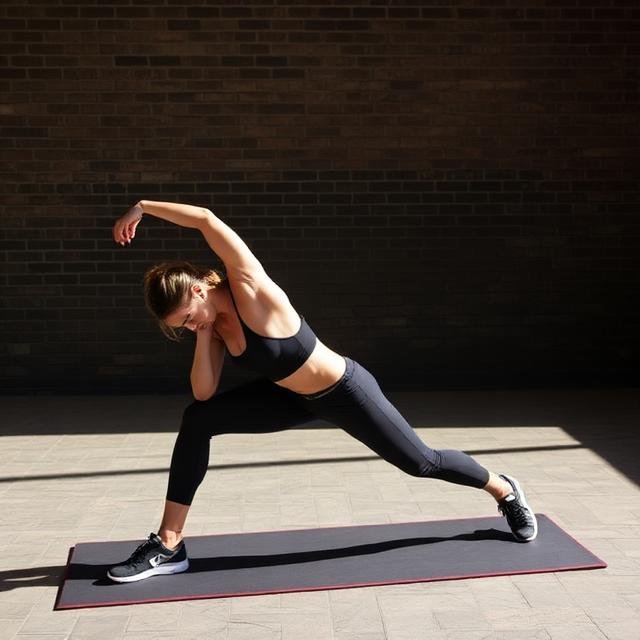
Let’s be honest—most people don’t skip workouts because they hate moving. They skip them because gyms feel expensive, crowded, or inconvenient. That’s where a daily fitness routine without equipment becomes a total game changer. No dumbbells. No machines. No excuses.
What Is a No-Equipment Workout?
A no-equipment workout relies entirely on your body weight for resistance. Think of your body as a built-in gym. Gravity becomes your trainer, and your muscles do the heavy lifting—literally.
Why Daily Movement Matters More Than the Gym
You don’t need an hour-long gym session to stay fit. Daily movement keeps your body active, joints healthy, and mind sharp. It’s like brushing your teeth—small daily actions prevent big problems later.
Benefits of a Daily Fitness Routine Without Equipment
Convenience and Accessibility
Your living room, bedroom, balcony, or even a park becomes your workout space. No travel time. No waiting for equipment. Just you and your commitment.
Cost-Effective Fitness for Everyone
Fitness shouldn’t cost a fortune. Bodyweight workouts are free, making them accessible to students, busy professionals, and anyone on a budget.
Improved Functional Strength
These workouts train your body to move the way it’s meant to—pushing, pulling, squatting, bending, and stabilizing.
Better Balance and Coordination
Because you’re using your own body, you naturally improve balance, posture, and coordination over time.
Understanding Your Body Before You Start
Listening to Your Body
Pain is not progress. Discomfort is normal, pain is not. Learn the difference, and respect your limits.
Warm-Up Importance
Skipping a warm-up is like starting a car in winter and flooring it immediately. Not a great idea.
Simple Dynamic Warm-Up Moves
- Arm circles
- Leg swings
- Neck rotations
- Marching in place
Just 5–7 minutes can make a big difference.
The Science Behind Bodyweight Training
How Bodyweight Exercises Build Strength
When you push against your own weight, your muscles adapt by getting stronger. Over time, increasing reps or slowing tempo increases resistance naturally.
Muscle Engagement Without Weights
Bodyweight moves often activate multiple muscle groups at once, making them incredibly efficient.
Structuring Your Daily Fitness Routine
Ideal Workout Duration
You don’t need marathon sessions. 20–40 minutes daily is more than enough when done consistently.
Morning vs Evening Workouts
Morning workouts energize your day. Evening workouts release stress. Choose what fits your lifestyle.
Consistency Over Intensity
It’s better to move daily at 70% effort than to go all-out once a week.
Full-Body Daily Workout Plan Without Equipment
Upper Body Exercises
Push-Ups and Variations
Classic push-ups strengthen your chest, shoulders, arms, and core. Knee push-ups and wall push-ups are great alternatives.
Arm and Shoulder Engagement Moves
- Arm circles
- Plank shoulder taps
- Incline push-ups
Lower Body Exercises
Squats and Lunges
Squats are the foundation of lower-body strength. Lunges improve balance and leg coordination.
Glute and Leg Activation
- Glute bridges
- Wall sits
- Step-back lunges
Core Strengthening Exercises
Planks and Stability Moves
Planks are like a full-body contract. Everything works together.
Abdominal Endurance Training
- Crunches
- Leg raises
- Mountain climbers
Cardio Without Equipment
Low-Impact Cardio Options
- Marching
- Step jacks
- Standing knee lifts
Perfect for beginners or recovery days.
High-Intensity Bodyweight Cardio
- Jumping jacks
- High knees
- Burpees
Fat-Burning Without Machines
Your heart doesn’t care about treadmills—it cares about effort.
Flexibility and Mobility Training
Why Stretching Is Essential
Stretching improves flexibility, reduces soreness, and keeps your joints healthy.
Daily Stretching Routine
- Hamstring stretch
- Shoulder stretch
- Hip flexor stretch
- Child’s pose
Just 5–10 minutes daily goes a long way.
Creating a Weekly Fitness Schedule
Balancing Strength, Cardio, and Mobility
Variety prevents boredom and overuse injuries.
Sample Weekly Plan
- Monday: Full body
- Tuesday: Cardio + core
- Wednesday: Lower body
- Thursday: Upper body
- Friday: Cardio
- Saturday: Mobility + stretching
- Sunday: Active rest
Common Mistakes to Avoid
Overtraining
More is not always better. Rest is part of progress.
Ignoring Recovery
Sleep, hydration, and light movement matter just as much as workouts.
Staying Motivated Without Equipment
Building a Habit
Start small. Five minutes daily beats zero minutes perfectly.
Tracking Progress Without Gadgets
Track reps, time, or how you feel. Progress isn’t just physical—it’s mental.
Fitness for All Ages and Levels
Beginners
Focus on form, not speed. Progress gradually.
Intermediate and Advanced
Increase reps, slow tempo, or combine movements.
Modifications and Progressions
Every exercise can be made easier or harder. Adjust as needed.
Nutrition Tips to Support Your Daily Fitness Routine
Hydration Basics
Drink water before and after workouts. Simple, but powerful.
Balanced Meals for Energy
Focus on whole foods—fruits, vegetables, grains, and protein sources.
Mental Benefits of Daily Exercise
Stress Reduction
Exercise is like hitting a reset button for your brain.
Improved Focus and Confidence
Daily movement boosts mood, discipline, and self-belief.
Long-Term Results of Equipment-Free Fitness
Sustainable Health
No equipment means fewer barriers. Fewer barriers mean consistency.
Building a Lifelong Habit
When fitness fits your life, it sticks.
Conclusion
A daily fitness routine without equipment proves that staying fit doesn’t require fancy tools or gym memberships. All you need is your body, a little space, and the decision to show up every day. Treat your body like a partner, not a project, and fitness will become a natural part of your life—not a chore.
FAQs
1. Can I really get fit without any equipment?
Yes, bodyweight exercises are highly effective for strength, cardio, and flexibility.
2. How long should a daily no-equipment workout be?
Anywhere between 20–40 minutes is ideal for most people.
3. Is it safe to work out every day without equipment?
Yes, as long as you vary intensity and listen to your body.
4. Can beginners follow a daily fitness routine without equipment?
Absolutely. Exercises can be modified for any fitness level.
5. Will I lose weight with bodyweight workouts?
Combined with healthy eating and consistency, yes—very effectively.