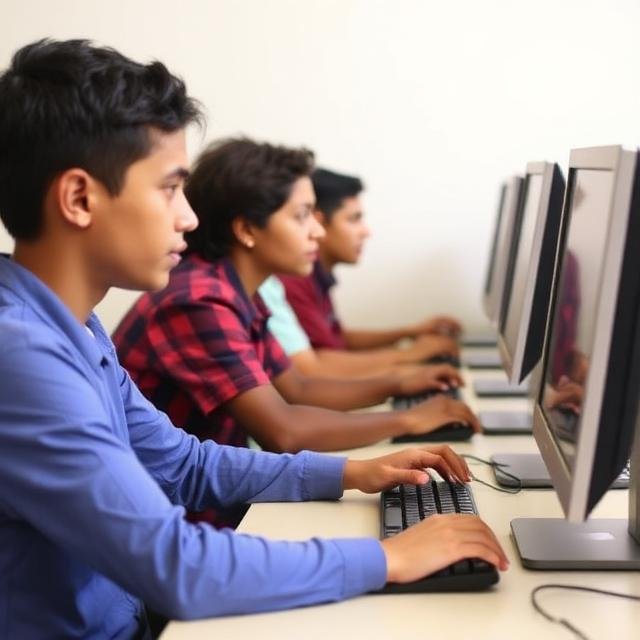
In today’s world, computers are everywhere—classrooms, homes, libraries, and even in our pockets. For students, learning how to use a computer is no longer optional; it’s a basic life skill. Basic computer training for students helps them learn, explore, and grow in a digital environment that’s constantly evolving.
Why Computer Skills Are Essential for Students
From online assignments to digital exams, students rely on computers every day. Knowing how to use a computer properly saves time, reduces stress, and boosts confidence. It’s like learning how to read before opening a book—essential and empowering.
Computers as a Daily Learning Tool
Computers are not just machines; they are learning partners. Students use them to research topics, create projects, attend online classes, and communicate with teachers.
What Is Basic Computer Training?
Definition and Scope
Basic computer training teaches students the fundamentals of using a computer. This includes understanding hardware, using software, browsing the internet, and practicing safe digital habits.
Who Needs Basic Computer Training
Every student—from primary school to higher education—benefits from basic computer knowledge. The earlier they start, the more comfortable they become.
Age-Wise Learning Approach
Younger students focus on simple tasks like mouse control, while older students learn software, typing, and internet usage. Training grows with the learner.
Importance of Basic Computer Training for Students
Enhances Academic Performance
Students who know computers complete assignments faster and present their work more effectively.
Builds Confidence and Independence
When students can handle tasks on their own, they feel confident and capable.
Prepares Students for the Digital Future
Almost every career today involves technology. Computer training lays the groundwork for future success.
Core Components of Basic Computer Training
Understanding Computer Hardware
Students learn about basic parts like the monitor, keyboard, mouse, CPU, and printer.
Introduction to Operating Systems
Knowing how to start a computer, open programs, and shut it down properly is essential.
Basic Software Knowledge
Students learn to use simple applications needed for schoolwork.
Input and Output Devices
Understanding how data goes in and comes out helps students use computers effectively.
Fundamental Computer Skills Every Student Should Learn
Keyboard and Mouse Skills
Proper use of keyboard and mouse improves speed and accuracy.
File and Folder Management
Knowing how to save, open, and organize files prevents confusion and data loss.
Basic Typing Skills
Typing is like handwriting in the digital world. The better the skill, the faster the work.
Using Shortcuts Effectively
Keyboard shortcuts save time and make computer use smoother.
Introduction to Common Computer Applications
Word Processing Software
Students learn to type assignments, format text, and insert images.
Spreadsheet Basics
Simple tables and calculations help with math and data organization.
Presentation Tools
Creating slides improves communication and presentation skills.
Practical Use in School Projects
These tools help students complete projects creatively and professionally.
Internet and Email Basics
Understanding the Internet
Students learn how information is accessed online.
Using Web Browsers
Searching safely and effectively is a key skill.
Email Creation and Usage
Email teaches formal communication and digital responsibility.
Online Etiquette for Students
Good online behavior is just as important as good classroom behavior.
Computer Safety and Digital Awareness
Cyber Safety Basics
Students learn to avoid harmful websites and suspicious links.
Protecting Personal Information
Understanding privacy helps students stay safe online.
Responsible Computer Usage
Using computers for learning rather than distraction is an important habit.
Screen Time Balance
Healthy breaks protect both eyes and mind.
Benefits of Early Computer Training
Improves Problem-Solving Skills
Computers encourage logical thinking and creativity.
Encourages Creativity
Designing, typing, and presenting ideas builds imagination.
Supports Online Learning
Computer skills make remote learning easier and more effective.
Role of Schools in Computer Training
Computer Labs and Practical Learning
Hands-on practice strengthens understanding.
Teacher Guidance and Curriculum
Structured lessons ensure steady progress.
Hands-On Practice Importance
Practice turns knowledge into skill.
Role of Parents in Computer Learning
Encouraging Practice at Home
Regular use improves confidence.
Monitoring Usage
Guidance ensures safe and balanced learning.
Creating a Supportive Learning Environment
A positive approach motivates students to learn.
Common Challenges Students Face
Lack of Access to Computers
Limited resources can slow learning.
Fear of Technology
Simple guidance helps overcome hesitation.
Limited Practice Time
Regular short sessions work better than rare long ones.
Tips for Effective Basic Computer Training
Learn by Doing
Practice is the best teacher.
Start with Simple Tasks
Small steps lead to big progress.
Practice Regularly
Consistency builds mastery.
Use Educational Resources
Interactive tools make learning fun.
Future Scope of Computer Skills for Students
Foundation for Advanced IT Skills
Basic knowledge leads to coding, design, and more.
Career Opportunities
Almost every profession values computer skills.
Lifelong Digital Literacy
Computer knowledge supports lifelong learning.
Conclusion
Basic computer training for students is the foundation of modern education. It builds confidence, supports learning, and prepares students for a digital future. Just like learning to write or calculate, computer skills open doors to endless opportunities when taught early and practiced regularly.
FAQs
1. At what age should students start computer training?
Students can start as early as primary school with simple activities.
2. Is basic computer training useful for all subjects?
Yes, it supports learning across all subjects.
3. How much time should students spend on computers daily?
Short, balanced sessions focused on learning are ideal.
4. Can students learn computer skills without internet access?
Yes, many basic skills don’t require the internet.
5. Are basic computer skills enough for future careers?
They are the first step toward advanced digital skills.