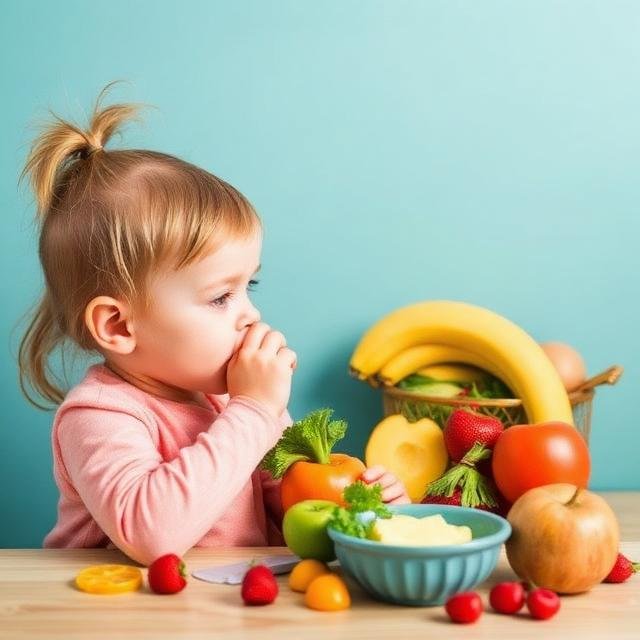
Watching children grow is one of life’s most incredible experiences. One day they’re learning to crawl, and the next they’re running across the playground with endless energy. But behind all that growth and activity is something incredibly important: proper nutrition.
Growing children need the right balance of nutrients to support their developing bodies and minds. Nutrition isn’t just about preventing hunger — it’s about fueling brain development, strengthening bones, boosting immunity, and setting the stage for lifelong health.
If you’re a parent or caregiver wondering how to ensure your child gets what they need, you’re in the right place. Let’s break it down into practical, easy-to-follow nutrition tips that truly make a difference.
🧠 Why Nutrition Matters So Much During Growth
Childhood is a period of rapid development. Bones lengthen, muscles strengthen, brains form complex neural connections, and immune systems mature. All of this requires energy and nutrients.
Poor nutrition during these critical years can lead to:
- Slower growth
- Weak immune function
- Difficulty concentrating
- Increased risk of chronic diseases later in life
On the other hand, balanced nutrition helps children:
- Maintain healthy weight
- Improve focus in school
- Stay energized throughout the day
- Develop strong bones and muscles
Think of nutrition as construction material. If the materials are strong and balanced, the structure — your child’s body — grows strong too.
🍎 1. Focus on Balanced, Colorful Meals
One of the simplest ways to ensure good nutrition is to aim for colorful plates. Different colors often represent different nutrients.
A balanced meal should include:
- Fruits and vegetables
- Whole grains
- Lean protein
- Healthy fats
- Dairy or calcium-rich alternatives
For example, a well-balanced lunch might include grilled chicken, brown rice, steamed broccoli, sliced carrots, and a cup of milk.
Encouraging variety helps children receive a wide range of vitamins and minerals. It also exposes them to different tastes and textures, reducing picky eating over time.
🥛 2. Prioritize Protein for Growth
Protein plays a major role in muscle development and tissue repair. It also supports immune function.
Healthy protein sources for children include:
- Eggs
- Lean meats
- Fish
- Beans
- Lentils
- Yogurt
- Nuts (for older children, safely introduced)
Protein doesn’t need to be complicated. A simple scrambled egg breakfast or a turkey sandwich at lunch can go a long way.
Growing bodies rely on consistent protein intake, especially during growth spurts.
🦴 3. Don’t Skip Calcium and Vitamin D
Strong bones are built during childhood. Calcium and vitamin D work together to support bone development.
Calcium-rich foods include:
- Milk
- Cheese
- Yogurt
- Fortified plant-based milks
- Leafy green vegetables
Vitamin D helps the body absorb calcium. It can be obtained through:
- Sunlight exposure
- Fortified dairy products
- Fatty fish
Without adequate calcium and vitamin D, bone strength can suffer. Since children are constantly growing, these nutrients are essential.
🌾 4. Choose Whole Grains Over Refined Grains
Carbohydrates provide energy, but not all carbs are equal.
Whole grains like:
- Brown rice
- Whole wheat bread
- Oats
- Quinoa
offer fiber and essential nutrients that refined grains lack.
Fiber helps digestion and keeps children feeling full longer. It also supports long-term heart health.
Switching from white bread to whole wheat bread is a small change that makes a big difference.
💧 5. Encourage Healthy Hydration
Water is often overlooked, yet it’s crucial for nearly every body function.
Children should drink water consistently throughout the day, especially during physical activity.
Limit:
- Sugary sodas
- Energy drinks
- Excess fruit juices
While juice may seem healthy, it often contains high sugar levels without fiber. Whole fruits are always the better choice.
Hydration improves concentration, digestion, and overall energy levels.
🍭 6. Teach Moderation, Not Restriction
Completely banning sweets can sometimes make them more appealing. Instead of strict restrictions, teach moderation.
It’s okay for children to enjoy treats occasionally. The goal is balance.
Instead of labeling foods as “bad,” explain how different foods affect energy and health. When children understand why certain foods are best eaten occasionally, they’re more likely to make healthier choices independently.
Healthy eating is about consistency over time — not perfection.
🍽️ 7. Encourage Regular Meal Times
Skipping meals can lead to low energy and overeating later.
Establish consistent routines for:
- Breakfast
- Lunch
- Dinner
- Healthy snacks
Children thrive on structure. Regular meals stabilize blood sugar levels and support steady energy throughout the day.
Breakfast, in particular, fuels the brain for school performance. A simple combination of protein and whole grains works well.
🥕 8. Make Healthy Eating Fun
Kids are more likely to eat healthy foods when they’re involved in the process.
You can:
- Let them pick vegetables at the store
- Involve them in cooking
- Create colorful snack plates
- Use fun shapes for fruits and vegetables
Turning nutrition into a fun activity builds positive associations with healthy food.
The goal is to build lifelong habits, not force compliance.
📱 9. Be a Role Model
Children learn more from watching than listening.
If they see adults enjoying vegetables, drinking water, and choosing balanced meals, they’ll naturally follow.
Family meals also provide opportunities to demonstrate healthy eating behaviors and encourage conversation.
Healthy habits are contagious.
⚖️ 10. Watch Portion Sizes
Children don’t need adult-sized portions. Their needs vary depending on age, activity level, and growth stage.
Encourage them to:
- Eat slowly
- Listen to hunger cues
- Stop when full
Teaching mindful eating helps prevent overeating and builds awareness of the body’s signals.
🌟 Long-Term Benefits of Good Childhood Nutrition
When children eat well consistently, the benefits extend far beyond childhood.
Good nutrition supports:
- Healthy weight management
- Improved academic performance
- Stronger immune systems
- Reduced risk of chronic disease
- Positive relationship with food
These early habits become the foundation for a healthy adult life.
🏁 Final Thoughts
Nutrition for growing children doesn’t have to be complicated. Focus on balance, variety, and consistency. Encourage whole foods, limit excessive sugar, prioritize hydration, and involve children in food decisions.
Perfection isn’t the goal — progress is.
Small daily choices build strong bodies and healthy minds. When children receive the right nutrients during their growth years, they gain the tools they need to thrive physically, mentally, and emotionally.
Healthy eating today shapes a healthier tomorrow.